Less Chess, More Poker: Leading When No One Knows What Cards They've Got
A combination of strategic planning and Intuition takes the lead in times of uncertainty. I used to think leadership was like playing chess: clear rules, predictable moves, pieces that followed orders without question.

A combination of strategic planning and Intuition takes the lead in times of uncertainty.
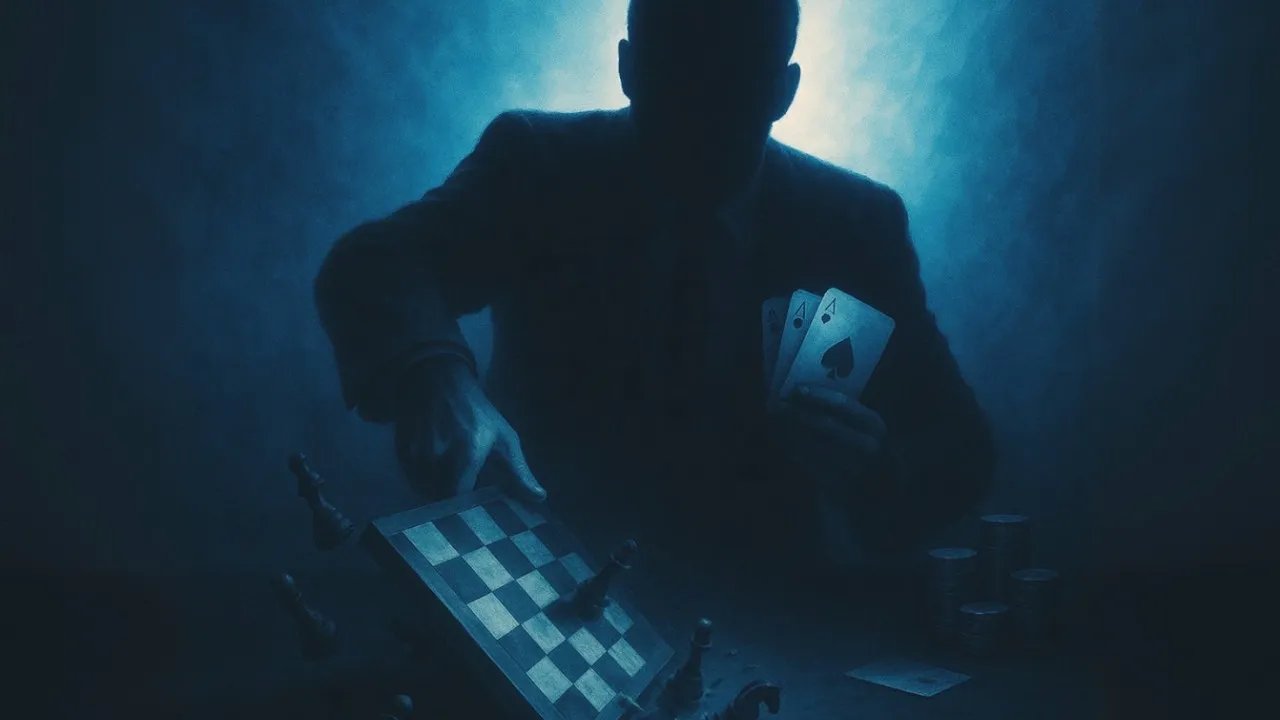
I used to think leadership was like playing chess: clear rules, predictable moves, pieces that followed orders without question. But suddenly, almost without noticing, someone swapped the chess pieces for a deck of poker cards. These days, leadership feels more like playing poker in a darkened casino, where the only certainty is uncertainty—pardon the paradox.
In today’s leadership landscape, trying to win by sticking to rigid rules is like turning up in Las Vegas clutching the Monopoly rulebook: endearing, but utterly pointless. The leaders who succeed today aren’t those who anticipate every possible move, but those who thrive amidst ambiguity and confusion.
The real challenge lies in reading the table quickly, betting when you appear to have nothing, and sometimes—let’s be honest—winning through strategic bluffing. In this era of constant transformation, intuition, risk-taking, and flexibility have replaced strategic perfectionism.
I’ve advised Fortune 500 leaders, family business dynasties, multinationals, and all manner of institutions over more than 30 years, and I can tell you with confidence: strategy today is part calculated play and part improvisational artistry. And make no mistake—it’s not improvisation for its own sake, but rather the agile adaptation required when you’re dealt a less-than-ideal hand.
As Miles Davis once said: “It’s not the notes you play, it’s the notes you don’t.”
The most successful companies are not those planning the next decade down to the last PowerPoint slide, but those that can pivot quickly when the winds shift. Like any good poker player, the modern leader knows that it’s not always the best who wins, but the one who best reads the table—and the players—at the right moment.
This is where Oxford University’s concept of TUNA enters the scene: Turbulence, Uncertainty, Novelty, Ambiguity. It’s not just a gourmet-sounding acronym—it’s the most accurate diagnosis of today’s business ecosystem. Today’s leaders don’t survive by relying on outdated maps, but by reading the winds, even when they blow from contradictory directions.
Ultimately, leading in the 21st century is a hybrid art: think like a chess master, feel like a poker player, and move like a jazz dancer. Because when the environment turns TUNA, the strategy manual becomes little more than an inflatable life vest—comforting, yes, but useless if you don’t know how to swim.
Here are a couple of questions for your own reflection:
Are you still waiting for the board to return to normal… or have you learnt to reshuffle the deck?
Is your leadership style still stuck in chess mode, or have you started playing poker?
If you enjoy strategic thinking without the rigidity of corporate manuals, if you believe leadership needs more agility and fewer coffee-mug clichés, if you’re tired of shallow reflections and enjoy a well-placed, unexpected analogy… then I’ll see you here next week.